


30+

years focused on
intellectual property law

10K+

inventors and
entrepreneurs advised

2.5K+

patents obtained

100%

flat‑fee billing, no
hourly surprises

What Clients Say

Function. A utility patent covers how your invention works: the process, the machine, the article of manufacture or the composition of matter. If what makes your product valuable is the way it looks rather than the way it works, a design patent is the better fit.

Most applications take roughly 22 to 30 months from filing to grant. The range depends on your technology area and how much back and forth the examiner raises. We will give you a realistic estimate for your field before you commit.

That depends on the complexity of the invention and the scope of the claims it needs. We quote a single flat fee before any work begins, so the number you agree is the number you pay. No hourly billing and no invoices for phone calls.

No. You need enough detail to explain the invention to someone capable of building it. Many of our clients file well before a working unit exists.

Often, yes. A provisional secures your filing date and gives you 12 months to test the market before the full application is due. Whether that is the right sequence for you depends on your launch plans and your funding timeline.

An initial rejection is a normal part of the process, not a failure. Responding to office actions is included in your flat fee, so a rejection does not turn into an unexpected bill.

Find Out Exactly What Protection You Actually Need

In a free 15‑minute IP strategy call, we’ll:

Is a Utility Patent Worth It for You?

A utility patent covers function: a process, a machine, a manufactured article or a composition of matter. It gives you 20 years of exclusive rights in the US from your filing date, and it is the strongest protection an invention can carry.

Before we file anything, we look at what you have built, where the commercial value sits, and whether the claims we could realistically win are claims worth owning.

You Will Know the Investment Upfront

We start with a conversation about the invention and your business plans. We search the prior art so you understand the landscape before you commit real money. Then we draft the specification and claims, file with the USPTO, and handle every office action through to grant.

One flat fee, agreed in writing before we begin. One attorney who answers in plain English.

With over 10,000 patent attorneys in the US, only 1 was asked to write the book on how to obtain a patent.

The American Bar Association — the world’s largest organization of lawyers — asked Goldstein IP founder Rich Goldstein to write their consumer guide on obtaining a patent.

The American Bar Association — the world’s largest organization of lawyers — asked Goldstein IP founder Rich Goldstein to write their consumer guide on obtaining a patent.

“Finally a book that walks you through the patent process in plain English!”

Frank Kern
Entrepreneur and Internet Marketing Expert

quote.png

Read our patent blog:

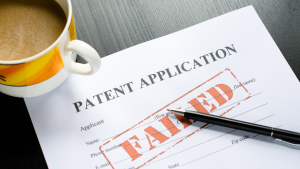
What to Do After Your Patent Is Rejected

What to Do After Your Patent Is Rejected

A patent rejection is rarely the end of the road. This guide explains the difference between non-final and final rejections, the three-month response window, and how to choose between an RCE, an appeal, or another path forward.

Read More
Team working on sketches and notes for a project at a cluttered desk

What Happens When a Patent Expires?

When a U.S. utility patent expires, its exclusive rights end and the invention enters the public domain. Missed maintenance fees can end protection even earlier. This guide covers patent term rules, the 3.5, 7.5 and 11.5-year fee schedule, lapse and revival, and how to plan ahead.
Read More